




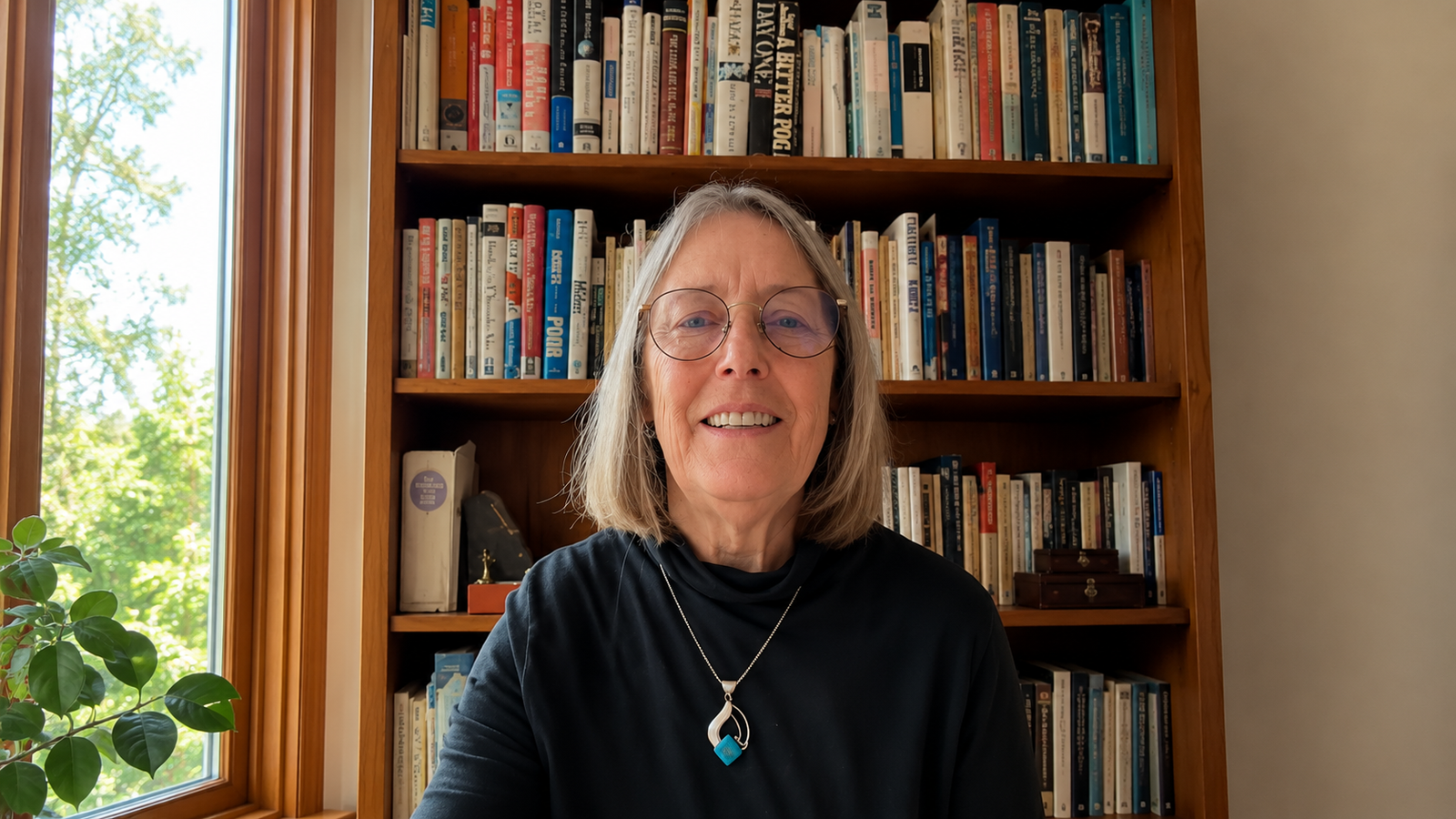
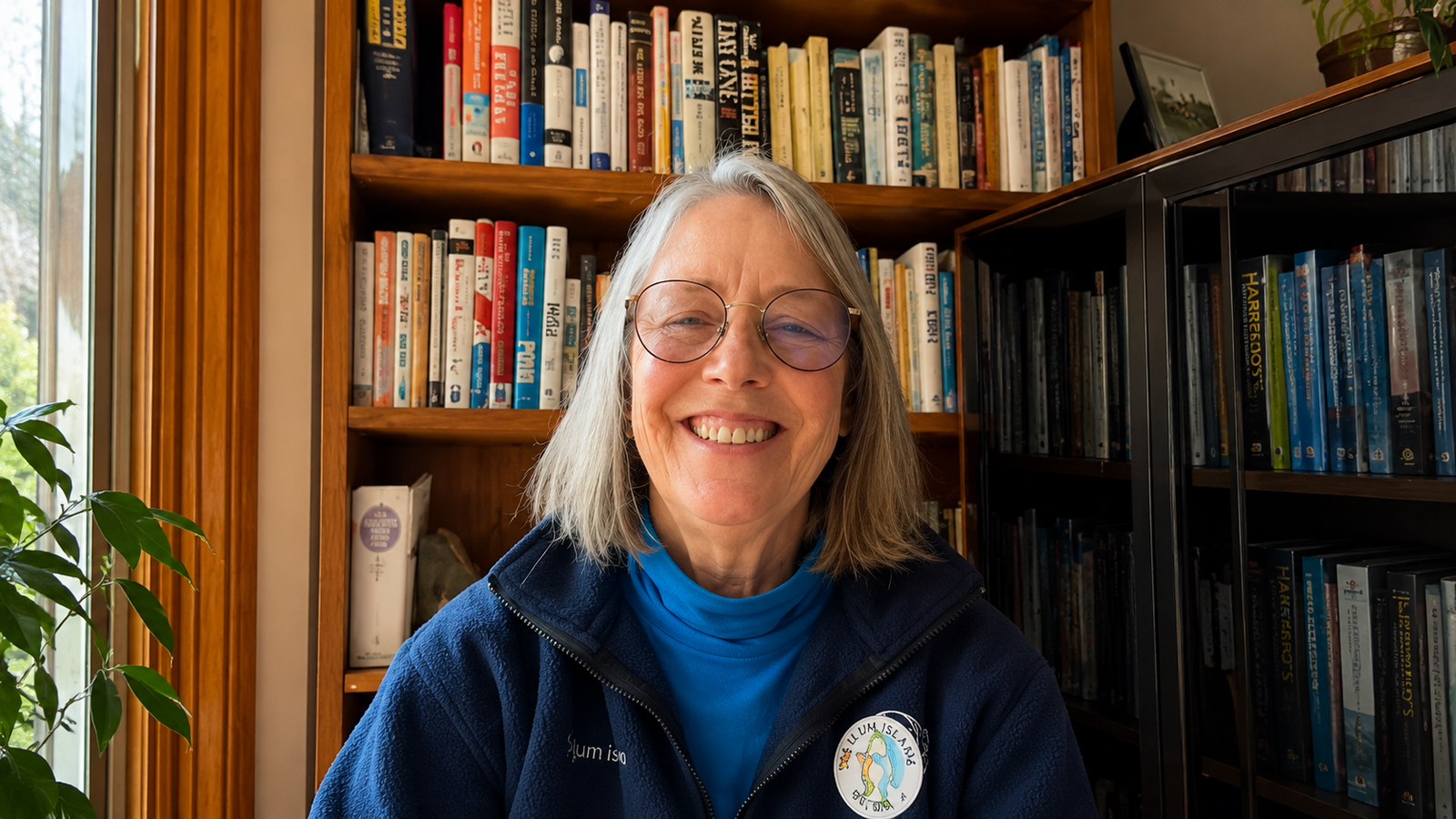






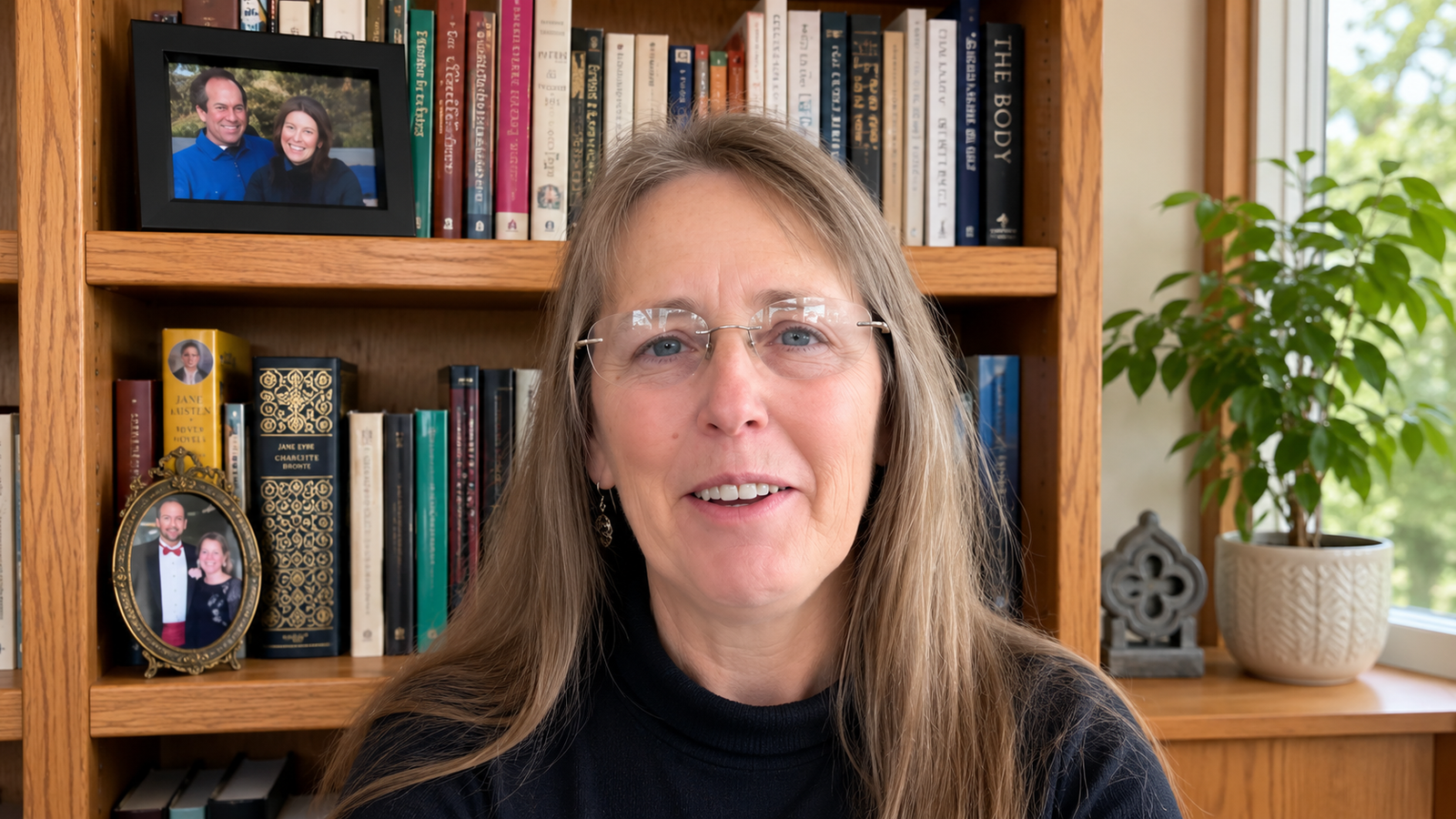
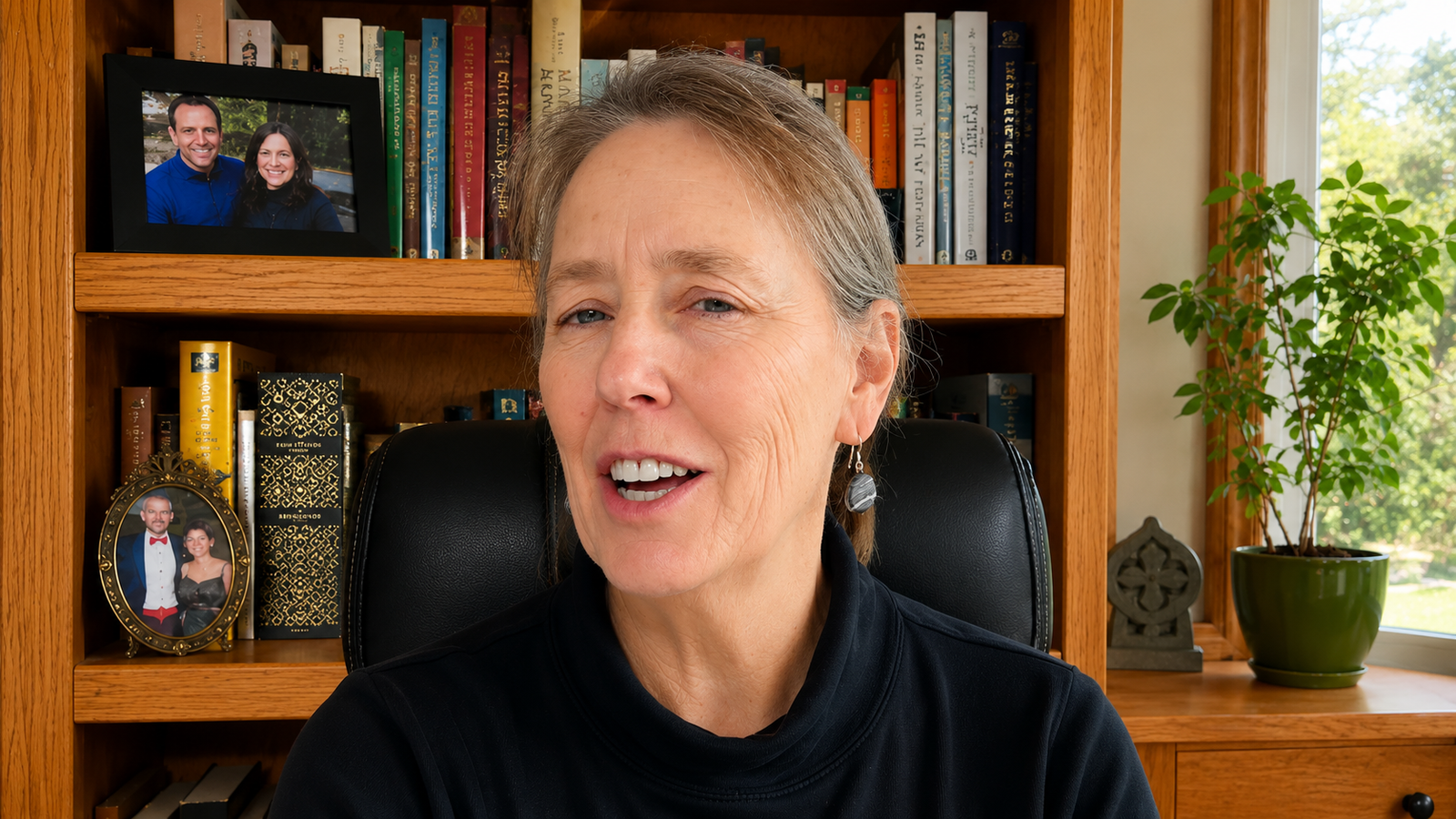






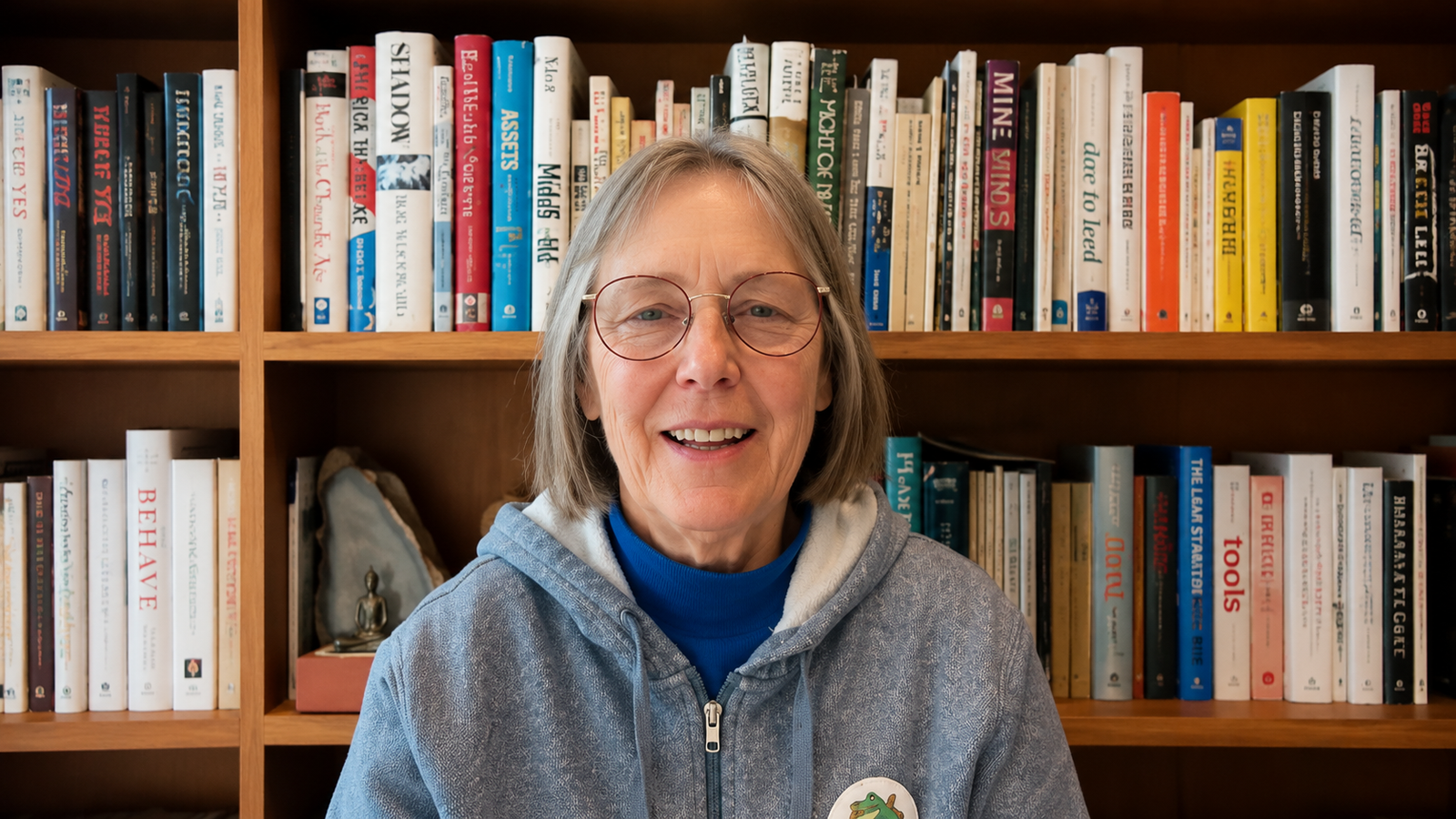



KatyCoach promises to never bore a logical, responsible audience. Each pearl of wisdom is Usually less than 60 seconds long. If you already know the wisdom you will smile to be reminded of it. If it is new to you, it will wash into you like body temperature water while you are a dry sponge. You will absorb it effortlessly and feel nourished. The pearl of wisdom will become part of you and who you will become. Katy Coaches are delightful, you’ll want more.
Pearls of wisdom sparkling with sweetness and light. Edward Albee wrote, “never bore a responsible, intelligent audience.” KatyCoach promises to never bore a logical, responsible audience.
500+ Lives Transformed
Latest Pearls of Wisdom
“Let’s imagine what the world will be like if we each individually made better decisions.”
“Katy Coach is committed to each of us becoming/being responsible for being responsible.”
“Good thinking is a skill —every skill can be improved.”
“According to the dictionary, the future has not happened yet. We are each on the edge of nothing.”
“The two most important days in your life are the day you were born and the day your find out why.”
Attributed to Mark Twain
“Your relationship with you body is the longest relation you will ever have. It is born with you and it will die with you. Probably why they recommend being kind to yourself.”
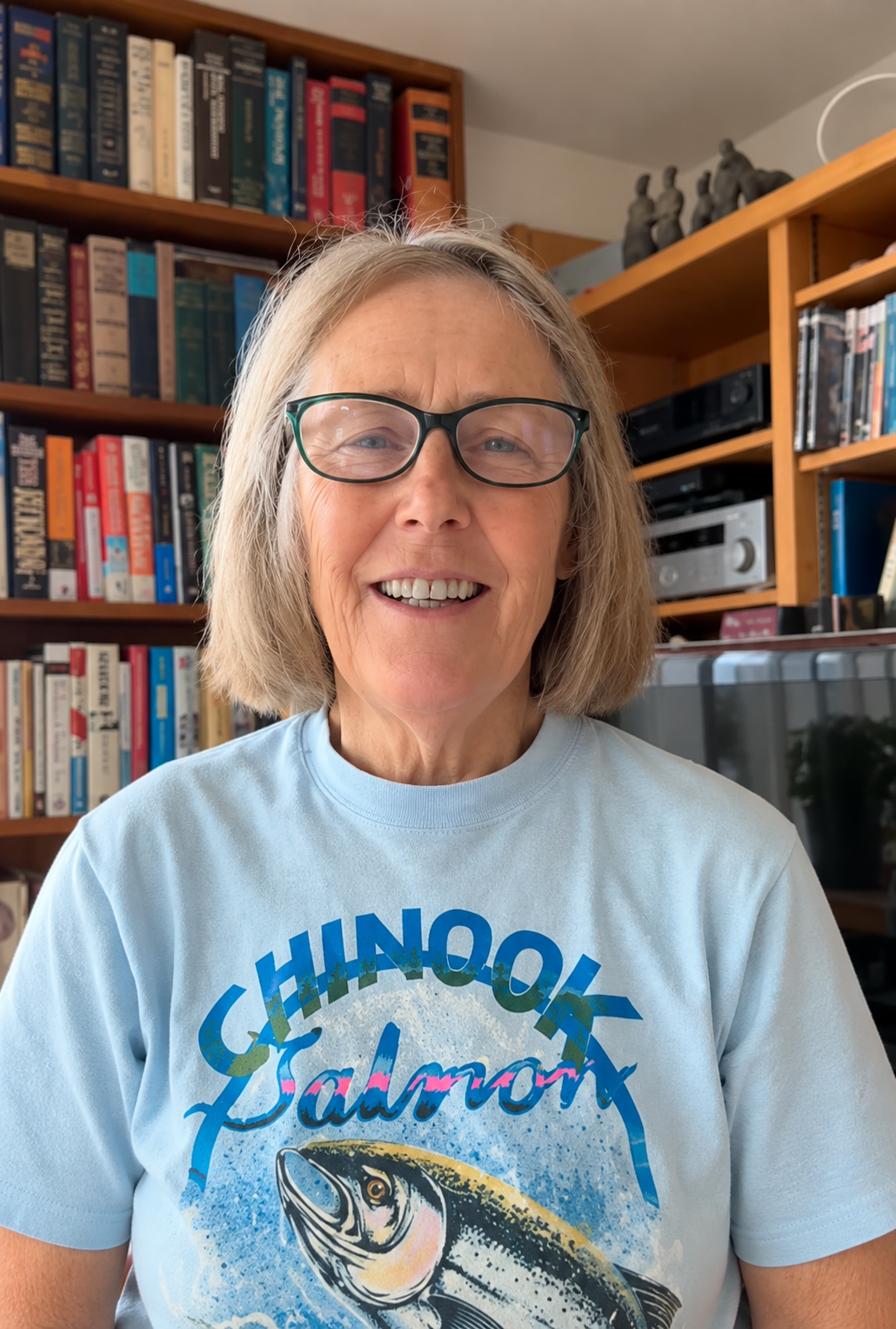
Katy was born in 1952 and named Kathleen Priscilla Eymann. She immediately had an older brother, the eldest, and three older sisters (“the big girls. In less than eight years, three more sisters (‘the little girls”) joined her, making her the middle child in a family of one boy and seven girls. Despite all the siblings, Katy was not a part of the big girls or the little girls, so she spent time alone, reading a lot. She grew up on a farm in the Mohawk Valley, a small valley northeast of Eugene, Oregon. Her family still operates the farm. With such a big family, money was tight. When bill collectors called, Katy was instructed to say her mother was not home, even though her mother was in the same room. It was confusing to be told that it was good to be honest, yet instructed to lie.
Katy paid for her college education at a community college by working in a food cannery during the summers and living at home. When she enrolled at the University of Oregon, she supported herself by working part-time in the Produce Department at Safeway. Thanks to her German professor, she spent her senior academic year in Stuttgart, West Germany. She graduated with a major in Philosophy in 1974.
As you know, I said it’s important to invest in children, and here’s one of the main reasons why: we’re all better off when we invest in children. There’s solid evidence, according to Paul Krugman, a Nobel Prize–winning economist, that investing in children (in their education, their health care, their child care, and making sure they have a good home) has an enormous return. Lots of studies show that we get back the value of everything we put into children, because it benefits the economy as a whole. The children are better off, and we’re all better off when they’re better off. It’s so logical. We’ve been told a story that it would be a bad idea. You can read all about that in Paul Krugman’s and Heather Cox Richardson’s Substacks, which I’m linking you to. The point is, it’s logical to invest in children, and I encourage you, and I ask you, to commit to doing that. We can do this. Thank you.
Many people think of the word wealth as meaning having lots of money. You grow up thinking, “I want to be wealthy,” and you want to have lots of money. But consider that you’re really wealthy if you have financial security: you can pay your bills, and you can eat well. In fact, an old definition of wealth is being well fed. So you can eat well and pay your bills, which means you have housing, and you can take care of yourself and make yourself comfortable. The other important part of being wealthy is that you have access to nature. You can hear birds sing, or you can see a beautiful landscape. You have access to nature outside. If you can pay your bills and you have access to nature, you’re really quite wealthy. That’s what we all should strive for. And when you’re wealthy, you can just love and laugh and learn. So enjoy your wealth. If you want more of these, go to katycoach.com for more pearls of wisdom. Thank you.
This link to logical and responsible was inspired by Edward Albee, an author who said he endeavored to never bore an intelligent, responsible audience. I like that word responsible, because responsible means you take care of doing something, and we generally associate responsible with good. So that’s good. But he said intelligent, and to me that measures a capacity in a person. I don’t want to exclude anyone from the value of these KatyCoaches. So I changed it, for me and for you, to logical, which means reasoned from sound ideas. Logical is objective; it’s sound ideas that are reasonable.
And the final one is that we all just get to love them. Every child you see, just say something nice to them, smile at them, and tell them they look wonderful that day. Just look into their eyes and tell them you love them: “I love you.” And don’t be weird. Just say something nice, like, “You’re a really good person. I can just tell by your eyes.” Or say anything that feels comfortable to you. Just give them love. That’s the easiest thing to do, and we can give it to every child in the world.
The fourth item I mentioned that every child will get, in this world where we create the future, is safety. If they’re scared, they get reassured. They’re still going to be scared, but they know they’re safe. If they have an illness, they get taken care of, and their parents get taken care of so they can be there to help heal them. And they get safety from outside threats. We just want to reassure them that they’re the best and they deserve the best.
The third thing we want to give every child is a good education. We’re going to argue for years about what a good education is, but I think we can start with a conversation about what it should include. First, math. Math is so fundamental to humans. We were scratching lines on sticks for math before we even had written words. Second is science: knowing what facts and theories are, and all the different areas of science. That’s another key one. Third, I think, is history. We have to learn from the past so we don’t make the same mistakes in the future. We’re going to argue a lot about history, because it’s all a matter of interpretation, but let’s find out about history.
Fourth is reading. Reading opens up a whole world. They say a person who doesn’t read has one life, but a person who can read can have the lives of all the people they read about. Plus, it opens up all the other topics we could talk about, like geography or psychology. That’s a whole big area. Reading is fundamental to education. And the final fundamental of education is creative time: time to paint, draw, sing, dance, or make music.
Now I’m going to show you how to get stuff off your countertop. What happens when you have leftover stuff? What I’ve got here is a trim guard for painting. You hold it up against the edge of a window or the trim, and then you paint, so you shield the trim or the glass from the paint. You get this at the hardware store. It’s a nice little surface with an edge on it. It doesn’t have a blade; it’s not sharp. It’s just a piece of plastic.
What you do is gather all your debris and put it right into what I have marked as my countertop-only dustpan. I can go over the surfaces like this. Sometimes stuff kind of coagulates or gets stuck on, and you can see it’s kind of ground on there, so just take your hand and wipe it off, and you’ve got all this nice stuff for your compost. Here’s my countertop-only dustpan, which I use only for this. You can see it’s gotten a little worse for wear, but it still works just fine. If you like this little KatyCoach, you can go to katycoach.com and see a lot more.
Everybody thinks they know how to cut an onion, and I agree, there are many ways to cut an onion. But I suggest this is a really good way. The rule of this pearl of wisdom is: honor the root. This is the root, and this is the stem. It’s pretty easy to see the difference. Unless you’re cutting onion rings, which go like that and never cut through the root, you mostly want smaller pieces. So you cut through the root once.
For slices, you pull back the papery skin, and that becomes your handle. Don’t pull it off like you normally would; just use it as a handle. Put it down, cut off a little more of the stem, and then you can slice it as thick or thin as you want and have these really nice slices of onion.
Now, if you want to dice an onion, the rule is to cut the onion as if it were an orange, in little sections like an orange. I’m cutting this quite small so you can see you have that option, or you can cut it wider, like that, if you want. Then you cut across it, and it’s all held together by the root. You can cut it as thick or thin as you want, and that gives you really good diced onion, as you can see. So that’s how to cut an onion. The rule: honor the root.
This KatyCoach is about the phenomenon of Donald Trump. You might wonder why people support him even though they can see all his flaws, like the way he lies and starts a war that doesn’t have a good purpose. One reason people support him despite all his flaws is that he represents something they see in themselves. He clearly has a lot of resentment. He could have developed that resentment at an early age, when he was sent off to a residential, military-type school. There he learned how to be a bully, and he was very successful at it, and he’s still a very successful bully. He learned how to survive. People who feel resentment just might feel like, “Yeah, he validates me.” He speaks to a deeper part of them that feels validated and supported. They don’t care about the flaws. They just say, “Oh, yeah, his policies are good.”
But I want to point out that he’s one of a kind. We’ve had tyrants in the world before, but as he would say, “Nobody’s ever done this before. Nothing like this has ever happened before.” That’s one of his favorite phrases, and he’s that kind of person. So we need to know that he will pass. He will sometime be out of office, hopefully. We need to work with that. We also need to feel compassion for all the people who support him, because when he goes away, they won’t have that anymore. The rest of the Republicans, his supporters like Rubio and Vance, don’t have that charisma or that deep ability he has to identify with other people.
He’s one of a kind, so we can be reassured. Him being one of a kind means that after he’s gone, we have to prepare for that and be compassionate toward those who supported him. And we need to realize that this, too, shall pass. If you want more KatyCoaches, you can subscribe at katycoach.com.
In America, we have the right to vote, and that’s a really powerful tool, especially when you consider that individual decisions get separated from the individual. Your vote is private. Whatever you decide is your private decision. Nobody gets to connect your vote to you. We just count up all the decisions that were made, all the marks that were made on the ballots, and they’re completely separated from the individuals who made them. We count those marks, and that gives us the collective decision of the people who voted.
So it’s really important, as an American, to vote. And it’s really important to encourage another person to vote, so that we get as wide a response as possible. If there are enough Republicans out there who love the president and want him to continue, they get to go out and vote. And all the people who are disgruntled or don’t like either party, and all the Democrats, they all get to vote. So it’s just a good reminder that the pendulum swings, but more importantly, we Americans have individual power to influence the future. Thank you. If you’d like more of these, you can go to katycoach.com, and please subscribe. I’ll never charge you.
This KatyCoach concerns a Midwest saying: “The pig gets fat, and the hog gets slaughtered.” It was spoken by former Republican Governor of Kansas Bill Graves when he was interviewed by the PBS NewsHour about why he was endorsing a Democrat for U.S. Senate instead of the Republican incumbent senator. He said, “The pig gets fat, and the hog gets slaughtered.” And I thought, “Whoa, what did he say?” I wanted to understand, because these pearls, these sayings, often have a kernel of meaning.
What he was saying was that the Republicans in Congress have overreached. They’ve been having a big frat party, doing whatever Trump wanted, and he predicted the Republicans will lose in this upcoming election. This is not just a Republican or Democrat issue. It points to the lesson we have from history: when unchecked power is pushed too far, humans will often find a way to push it back. And in America, we have a really good way of pushing back: voting. We make our individual, private decisions and record them on a ballot, and then our identity gets separated from that decision, and they just count up all the decisions. So please make sure you vote, no matter what you think about this current election and the current parties, and encourage another person to vote, because that’s how we know what we all want. Thank you.
Whimsy. We all want to have whimsy in our lives, or maybe not. But if there is any whimsy in you, let it out. You may think, “Oh, it’s too embarrassing,” and you have all these objections to whimsy. But part of you is whimsical, so let it out. Here’s the perfect place to do it: when you’re crossing the street and traffic has to stop because you have the right-of-way as a pedestrian.
Whenever you’re crossing in front of traffic, you could move your arms around in big, big circles with both arms. Or maybe you could make a heart with both your hands. As you’re walking, don’t slow down. You don’t want to get in the way of the purpose here, which is to get across the street. Or maybe you could prance on your toes, just dance on your toes and take little steps like a ballerina. It’s probably easiest to do this when you don’t have anyone around and you’re just alone. Just add some whimsy to your walk across the street, and it will make the world a little lighter for all of us.
You clicked on this because you care about your health, and this is a good way to make sure you’re getting protein when you’re on the road and don’t have time for a regular meal. If you’re in a rush, you’re really hungry, and you want some protein, you can get a protein bar, which comes with a lot of sugar, or you can get a pint of cottage cheese. A whole pint of cottage cheese is two cups, and according to my nutrition label, that would give you 44 grams of protein, which is more than an adult needs in a day. If you eat just a cup, you get 22 grams, which is about half of what you need in a day.
So if you’re looking for a really good snack that won’t add a lot of calories but will really add some nutrition to your day while you’re driving, get some cottage cheese. You can usually get a fork or a spoon from the deli counter, and you’re on your way.
This is a KatyCoach for women with long hair. Sometimes you want to put your hair up because you’re a little too hot, as we get sometimes in our 50s and 60s. Here’s what you do. You take your hair, start at the base, and twirl it all around. I’ll show you what I’m doing. I’m twirling it around pretty tight, all the way up. Then you put it in a circle, like that, and you push it back up like this. Now, this is kind of the hard part: you take a strand of your hair here, and you tuck it under. And voilà! You have a bun. It stays, it’s really tight, and it holds well. That’s a KatyBun, a KatyCoach bun. You look good, and you have the coolest neck ever.
You’re in a long-term relationship, and you make an agreement: when you’re in an argument and neither of you is switching positions, one of you can have, frankly, the balls to say, “I’m right.” When you say you’re right, the other person agrees in advance to just accept your position. You said you were right, and they’re not saying you’re right, but you win. Now, if it turns out in retrospect that you were wrong, you lose your right to say “I’m right” for a year. You cannot say it. You just mark that date, like from birthday to birthday or holiday to holiday. You just pick a time, and the other person reminds you: “No, you’re banned, Joe.” So you keep it present.
And it just makes it so loving and trusting. Most people never lose their right. They don’t say they’re right unless they’re really right. In my relationship with my husband of almost 37 years, we probably did it for about 12 to 15 years. No one ever lost their right. We were always right when we said it. He said it, and I said it.
So here it is, shorter, to the core of it: in your long-term relationship, make an agreement that in an argument about judgments, whoever says “I’m right” is right, and the other person stops. If it turns out they were wrong, they lose the right for a year.
KatyCoach says the pearls are delightful. Let me give you the background and the proof that my KatyCoaches are delightful. I met this fellow named William C. Bradbury. He was a state representative, and my father had been a state representative, so it resonated with me to want to get to know this man. And he was pretty handsome, tall and handsome. So I met him, we talked, and later he asked me out for coffee, and I thought, “What a cheapskate. He’s taking me out for coffee.” He knew I was an attorney. We went out for coffee, and I told him all about divorce law, explaining that it’s not divorce law, it’s dissolution law. Anyway, we had a good time, and then we drove away separately from the coffee shop. This was before anybody knew about espresso.
Then I got a letter from him in one of those party-size envelopes. My father had boxes of those party-size envelopes because he was a state representative, and Bill no doubt had the same boxes of these heavy, fibrous envelopes. Inside was an impaneled card engraved with “State Representative William Bradbury,” where he was from, and the seal of Oregon in blue and gold. Bill wrote on it, “Katy, you’re delightful. I want more.” And he signed it “Bill.” And he got it. He got me being delightful for the next 40 years. So that’s proof that you’ll find I’m delightful.
About two years after Bill died, I noticed something when I would wake up in the morning. I had my days to myself, and I was walking down the stairs to get started, and I noticed a tightening of a muscle. It turns out it’s a group of muscles; I’ll tell you about it in a minute. The sensation I had was that my head was going back and my pelvis was coming forward, my hips were coming forward, and my arms were dangling, but more vertically. They weren’t as far forward as they usually are.
So I did the research, and it turns out it’s the erector spinae. What it does is make us stand up straight. It keeps our whole body upright so gravity doesn’t turn us into a pile of bones. So it’s an important set of muscles. The longest part of the muscle runs from about the middle of the thoracic spine up to the skull. It runs along the back, all the way down into the sacrum and the pelvis, where it attaches, and straight up the spine, and parts of it go out to the ribs.
As I feel it, I just feel the space of my chest. And I thought, “Wow, maybe that has something to do with Bill,” because I was saying that he’s going to live in my heart forever, and that just seemed a little bit too, I don’t know. But it turned out I did have a sensation of making my chest bigger, especially when I talk about him. And I thought of Bill. He told somebody he was 95% fun before I met him. He never told me that, but it was just so true. He so was.
So then I imagined him as a blow-up beach ball, the kind with the primary colors. You blow it up, and it expands out; you have to pump it up. And it feels like it’s in here. When I talk about it, it pumps up, and it makes all those erector spinae muscles work together. It’s really good. It’s a place to stand, this posture. And meanwhile, Bill’s in here, and he’s pumping me up. He wants me to be the best I can be. So if anybody wants to marry me, they’re going to have to marry both of us, because Bill’s a part of me forever, and he’s helping me deliver KatyCoaches to you.
This is about what you have in common with people you don’t normally think you have anything in common with. In this case, I’m talking about your sexuality. For me, I’m a heterosexual female, and I have a lot in common with gay men. They’re kind of surprised when I tell them that, but if you think about it, we have so much in common, because I love making love to men, and so do they. So we share that sexual orientation. Now, if you’re a heterosexual male, you share a lot in common, especially when it comes to making love, with lesbians. So lesbians and heterosexual males are really the same in terms of their sexual orientation.
I told a friend of mine about this, a heterosexual male, and he thought, “Oh, that’s such a wonderful idea.” He told his lesbian friend on her wedding day that they had that in common, and she so enjoyed him sharing that with her. It was so sweet on her special day.
It turns out that in the human body, there are as many nerve endings on your tongue as there are on a woman’s clitoris. It’s a biological match. So consider: if you have a clitoris, you’d want a tongue communicating, feeling sensations, and generating sensations. They both have the same nerve endings, and they’re just a match. So I believe that a woman should come three times clitorally before a man thinks about himself, and then she’ll be like a lake, and we can just dive in.
What we all need to know about AI, artificial intelligence, is that it’s just a tool. It has read everything that’s ever been written by humans, presumably, and it is only analytical. It can never create. We have two sides of our brain. The left side is the analytical side, and the right side is the creative side; you could say the emotional side. That’s what makes us feel human. We need both sides, the analytical side and the creative side, and AI is only one side.
It’s like an advanced spell checker. It knows the context of what you’re saying. If you misspelled a word, like writing “there,” T-H-E-R-E, when you meant the collective “their,” it would notice and change it to T-H-E-I-R. So it can see the context, but just think of it as an advanced spell-checker tool. That’s all it fundamentally is.
A second thing you should know about AI is that it makes us more productive. Adding electricity to tools was a tremendous productivity increase. Instead of having to hand-saw a board, you could use a Skilsaw and go right through it. There are lots of times in the history of human beings when we learned to do things more productively. We went from horses to cars. Too bad we didn’t use a fuel that was friendly to the environment, but we now need to address that. The point is, AI will make us more productive, and we will adjust. We have always adjusted to new technology, and we will for this one. So don’t be afraid of AI. We’re in charge of AI individually, and we can put it to good use.
This KatyCoach is about the consequences of talking with AI. Oftentimes people use AI like a souped-up Google. You ask it a question, and it gives you a complete answer. You don’t have to type in just a few words and do a search; you can actually ask a complicated question. For example, I recently asked for information about how to build a planter.
But here’s the thing about AI and those conversations, because you can go back and forth. We have two sides of the brain: the right side, the human side, and the analytical side. AI only works on the analytical side. So what you get back is a thoughtful, logical, analytical answer. Sometimes it asks questions, because maybe there’s some confusion in what you said. And sometimes it points out gaps you don’t even see yourself, and that’s really useful: “Oh, I didn’t think about that.”
But keep in mind, when you’re talking to an AI chat, that you have authentic intelligence, and it has only artificial intelligence. Remember, it’s AI because it’s artificial intelligence, and we humans have authentic intelligence. So it’s really not a source of thoughts. We bring our thoughts, and it reflects them back to us. It’s like a mirror. That’s what it does. It’s a mirror of our own thoughts, and it’s outside ourselves. In fact, I asked AI what it does, and it said it brings distance, an outside view, and it can see patterns. So it can tell us something from outside ourselves, like we’d want if we talked to a friend.
But here’s the thing about AI: it doesn’t have any judgment. It just responds to the analytical, logical side of what we’re saying and asks questions. So what actually happens is that you can see your situation more clearly, because you bring wisdom, choice, and values, and it brings distance from outside yourself and can see patterns. As a result, you get sharper thinking, and you make better decisions, because you can see what you’re trying to decide or do more clearly.
Just imagine what the whole world would be like if everyone had access to AI to make clearer, better decisions. That might actually be a good thing. So while there’s a lot of fear about AI, in your own personal life you might want to start having conversations with it and see if they help you make clearer, better decisions. If you want more KatyCoaches, go to katycoach.com, and you’ll never be charged to subscribe.